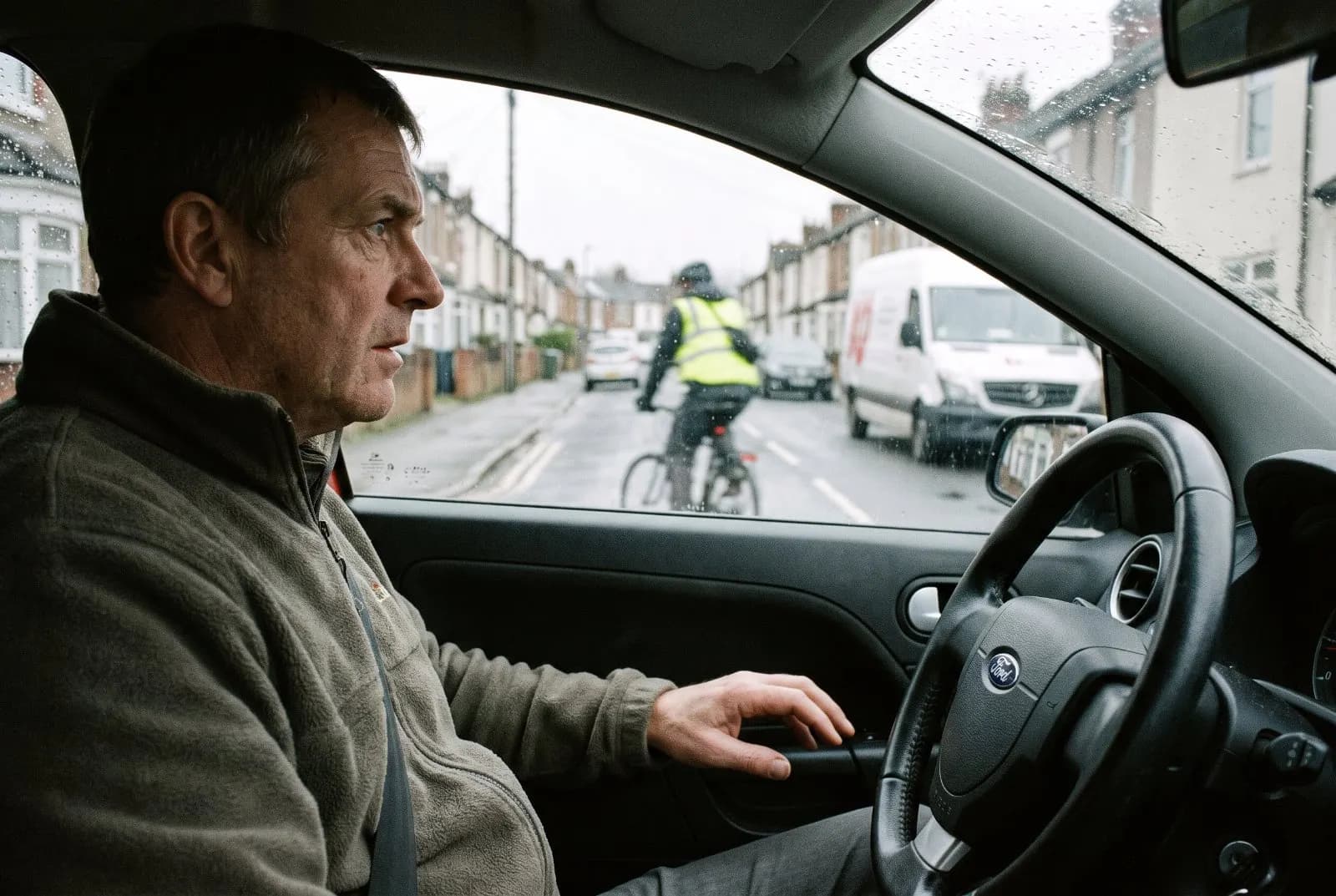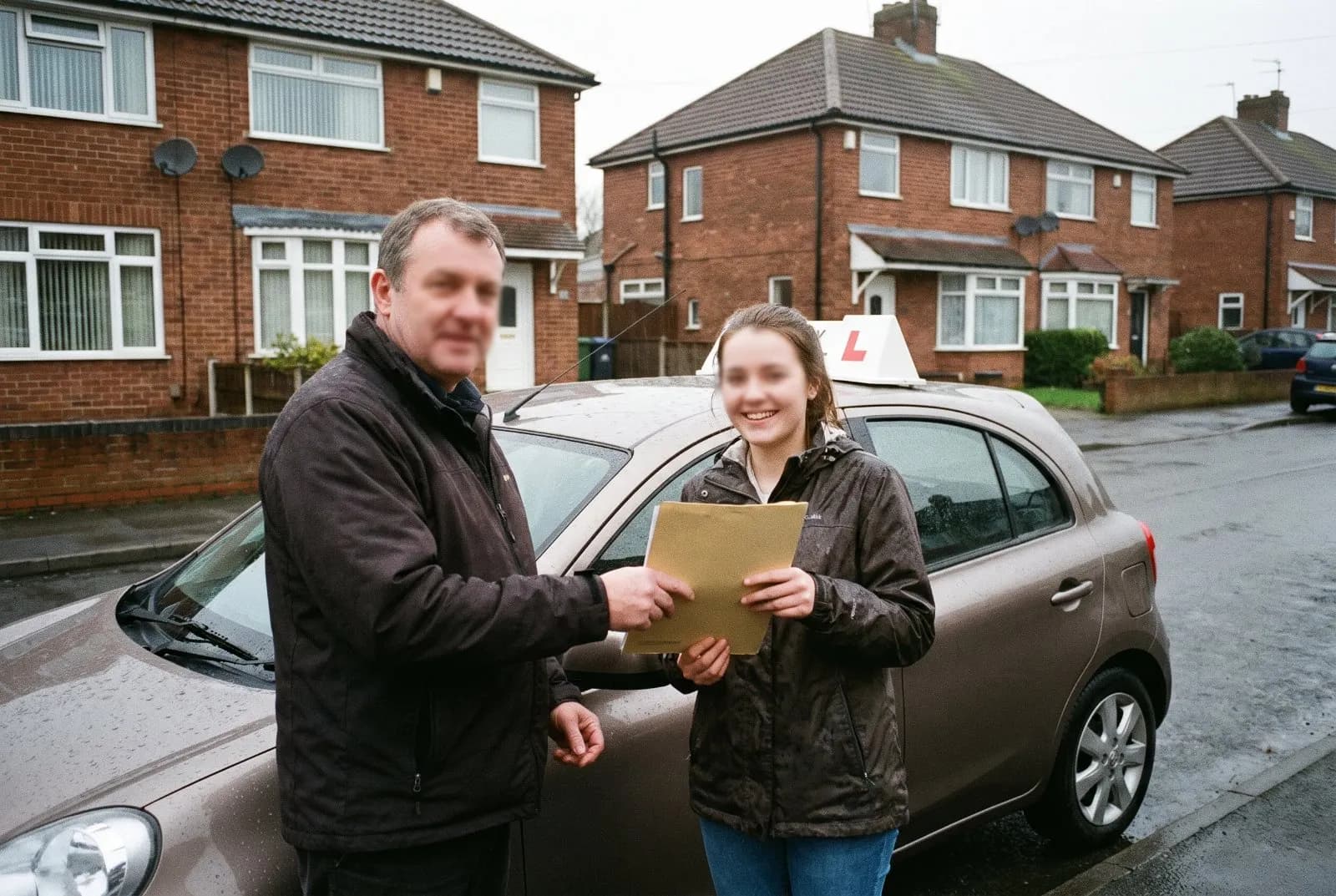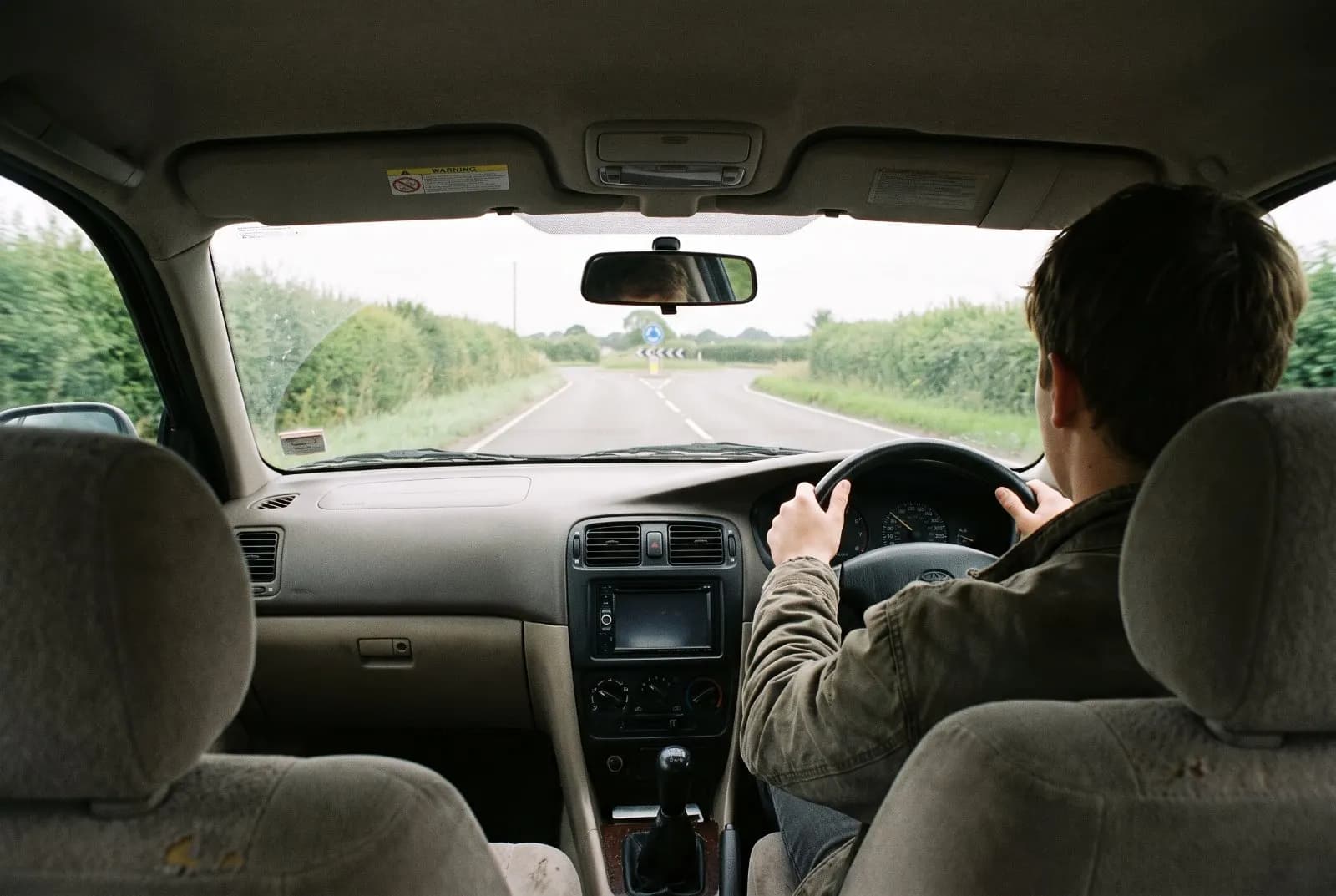
Ask a room of driving instructors what “safe driving” means in one word and you’ll hear aware, confident, competent, proactive. Notice something? Not one of those words is about controlling the car. That gap — between what the test checks and what actually keeps people alive — is exactly where our real work as instructors begins.
In our recent Creating Safer Drivers session, Diana and Phil dug into a question that sits at the heart of good instruction: how do we use the privilege of sitting beside impressionable new drivers to change the decisions they’ll make long after they’ve passed? Below is the thinking, the framework, and the everyday conversations that make it happen.
The Test Is Good — But It Was Never Enough
Let’s be fair to the driving test. It’s about as good as a 37-minute assessment can be. In that window it checks the five core skills: controlling the car, awareness, anticipation, planning and judgment. The problem isn’t that the test is broken — it’s that it can only ever measure a slice of what makes a driver safe.
The numbers make the point sharply. In the year ending June 2024, 1,607 people died on our roads and there were 29,540 casualties — a figure that barely shifted on the previous year. Fatalities are around 75% male, and 17–29 year-olds account for roughly a quarter of them. Speeding contributes to about 21% of fatal collisions.
The statistics tell us what happened — speeding, loss of control, a collision. They almost never tell us why. And nearly all of those drivers had already proven they could control a car and pass a test. What the test never measured was their attitude, their emotions, and their response to peer pressure.
Just like fault analysis with a learner, the crash reports capture the action, not the root cause. A driver was “speeding” — but why? Learned behaviour from a parent? Pressure from the car behind? Doubt in their own decision-making? That’s the territory the test can’t reach, but you can.

The GDE Matrix: A Map for the Whole Driver
If the test only reaches the bottom rung, the GDE (Goals for Driver Education) Matrix gives us the full ladder. Read it as a guide for what to deliver across your lessons and you’ll naturally coach the parts of driving that actually shape future behaviour. It works across four levels, each with knowledge and skills, risk-increasing factors, and self-assessment.
Vehicle Control
Bread and butter. Rarely the long-term issue — but worn tyres and dodgy brakes belong here too, and that’s an attitude conversation.
The Road & Traffic
Hazards, rules, the five skills. Push beyond the test: night driving, low winter sun, ice and rain your summer learners never met.
The Journey & Goals
The context of the trip. Who’s in the car? Are they running late? Buzzing after football? This is where risk really lives.
The Person & Life Goals
The hardest and most important level — their beliefs, values and self-image. The root of the decision to speed or not.
Two threads run through every level. The first is risk-increasing factors: a driver who can control the car perfectly still can’t stop if they’ve neglected their brakes. The DVSA’s “show me, tell me” questions gave us a lovely open door here — treat them as real conversations about maintenance, not lines to memorise by rote.
The second thread is self-assessment. The reflection you build in — throughout the lesson, not just at the end — is the part that keeps working after you’ve gone. Get a pupil good at asking “what was my part in that?” and, in a future near-miss, they’ll reach for that question instead of “what an idiot that other driver was.”
The second they pass, the context of every journey changes. Suddenly it’s not “would that be a fail?” — it’s “am I safe?” That’s why post-test lessons are gold.
The Real Skill: Conversations That Just Happen
Here’s the reassuring part. You don’t need a “GDE Matrix Day” pencilled into your lesson plan. The magic is in the natural conversations — the ones that pop up on an ordinary lesson — and your ability to spot the moment and gently steer it towards road safety.
A pupil mentions a graze on her leg from football: “this girl came from behind and tackled me — I didn’t see her.” That’s not small talk; that’s a blind-spot conversation waiting to happen. Later, the same pupil admits she’s “buzzing” after a win and always drives herself home. Perfect — now you can explore how that excitement might affect her driving, and what her plan is to manage it.
• “Imagine six months after your test — what would you want the people closest to you to see about your driving?”
• “You’ve seen your dad do 10 over the limit and nothing happened. He’s got 20 years’ experience — how much will you have on the day you pass?”
• “This baby is precious cargo. What will you do differently? And what would your absence mean to them if it went wrong?”
Notice the pattern: no lectures, no judgment. You surface what the pupil already values — being a good son, keeping a child safe, impressing a friend, saving on insurance — and you tie the safe choice to that value. Phil calls them “marshmallow decisions”: the small choices now (seatbelt on, early night, leaving a buffer on the journey) that look after your future self.

Practical Ways to Bring This Into Your Lessons
- 1Design a “beat the clock” lesson. Set a pick-up route with a train to catch. Watch how a stopwatch changes their driving — then unpack it together.
- 2Run evening and post-test sessions. Bunch two or three pupils together for a night drive: more affordable for them, better hourly rate for you, and a built-in peer-pressure conversation.
- 3Map their real journeys. Ask what trips they’ll actually make — football, work, the beach — and coach the context of each one.
- 4Use The Honest Truth. Its ten truths — from seatbelts to distractions, speeding to tiredness — plus the new prompt cards give you a natural way in whenever a topic surfaces.
- 5Reflect, don’t correct. Keep handing the thinking back: “what was your part in that?” That habit is what keeps them learning once you’re gone.
The Takeaway
We can’t fix the statistics with better vehicle control — those drivers already knew how to steer. What we can do is use our uniquely privileged seat, beside a new driver at their most impressionable, to challenge beliefs, surface values and rehearse the decisions that matter before the moment arrives. Do that well and you’re not just helping someone pass. You’re creating a safer driver for life.
Go Deeper on Coaching for Driver Development
Want the full GDE Matrix workshop, real lesson breakdowns and the conversation frameworks that make this second nature? Inspire Instructor Training is where ADIs and PDIs sharpen their coaching craft.
Explore Inspire Instructor Training →