
How We Learn: The Real Mechanics Behind Effective Learning
Learning is not about cramming. It’s not about passive listening, rote repetition, or memorizing disconnected facts. True learning is a dynamic process—a mixture of curiosity, connection, memory, and meaning.
But most people don’t realize how they learn. And if you’re in a role where you’re teaching others—whether it’s on the road, in the classroom, or in life—understanding how learning works is a game-changer.
Let’s explore what learning really is, how the brain processes and retains information, and what we can do as instructors and learners to make it stick.
Learning Is Not Linear—It’s Cyclical and Constructive
Many still believe that learning follows a straight line: input → process → output. But the brain doesn’t work that way.
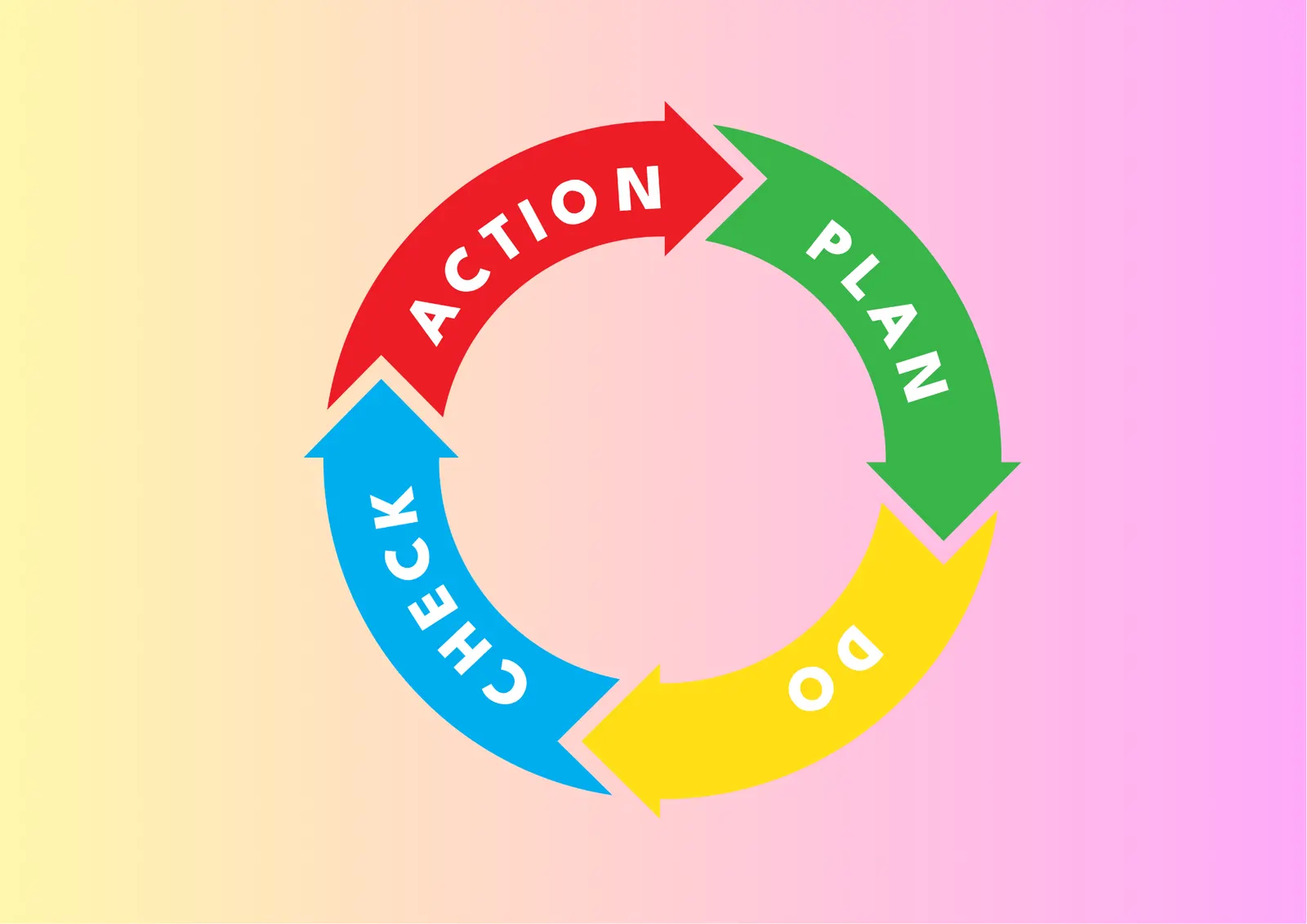
Real learning happens when information is actively constructed, not passively absorbed. We link new knowledge to what we already know. We engage emotionally. We make mistakes and correct them. We reflect and revisit.
This is known as constructivist learning—the idea that we build knowledge layer by layer through experience, inquiry, and feedback.
🚦 Think of it like driving: no one learns by watching alone—they learn by doing, feeling, adjusting, and repeating.
How the Brain Learns: Memory, Emotion, and Meaning
The brain doesn’t record everything. It filters, prioritizes, and encodes information based on what it deems important. That’s why emotional relevance matters.
- Sensory memory catches a flood of stimuli.
- Working memory filters and temporarily holds key bits of info.
- Long-term memory only stores what is repeatedly retrieved or made meaningful.
If something feels dull or irrelevant, the brain lets it go. But if it’s tied to a purpose, a feeling, or a personal connection, it’s more likely to stick.
This is where traditional instruction falls short—it often lacks context, relevance, or emotional engagement.
Repetition vs. Retrieval: What Actually Works?
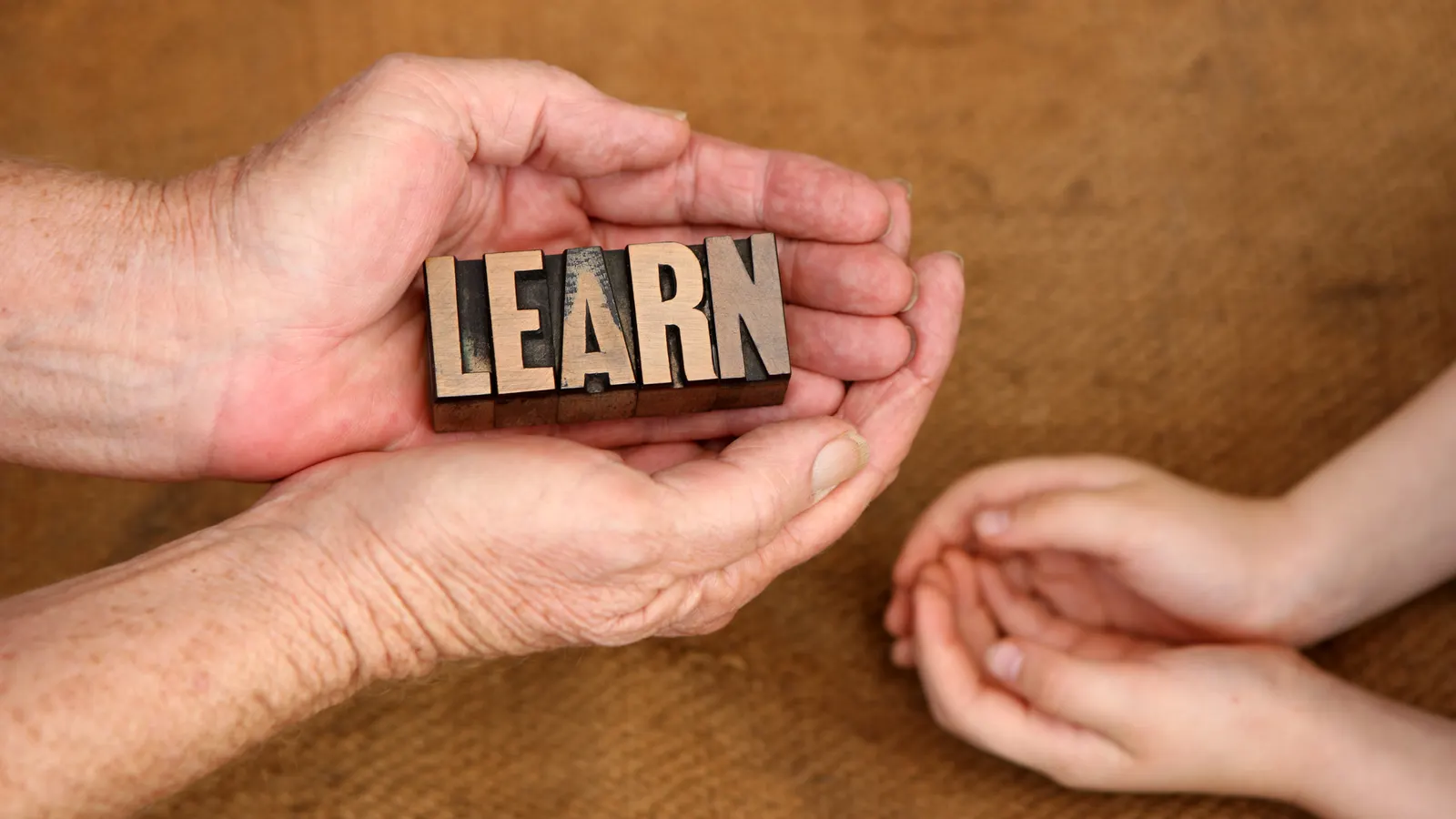
We often equate learning with repetition. But science shows that retrieval practice—trying to recall something after a delay—is far more effective. Every time we retrieve, we strengthen the neural pathways that store that knowledge.
Also crucial is spacing: breaking up learning over time. Short, spaced learning sessions create durable knowledge far better than one long binge.
It’s not about how many times you say something—it’s about how often your learners try to recall and apply it.
Cognitive Load: Don’t Overwhelm the Brain
We all have limits to what our brains can process at once. This is called cognitive load. When we overload learners with information (especially new or complex content), their brains simply shut down.
The solution? Chunk information into smaller pieces. Use visual aids. Pause for processing. Allow questions. Make space for silence and reflection.
The Role of Emotion: Learning Is Deeply Personal
Emotions aren’t a distraction—they’re an essential part of how we learn.
When learners feel confident, supported, and curious, their brains are more receptive. But anxiety, shame, or boredom? These shut the learning system down.
As educators, we must create psychologically safe environments where learners feel seen, valued, and empowered to make mistakes.
Metacognition: Learning to Learn
The most powerful learners are aware of how they learn. This is called metacognition—thinking about thinking.
When we teach our learners to reflect on what worked, what didn’t, and how they could approach things differently next time, we give them lifelong tools.
This is what turns “just passing a test” into genuine, independent mastery.
We Took This Further – Live, Together
In our recent live Zoom session, we didn’t just talk about these ideas—we unpacked them. We explored how they apply to real learners, real struggles, and real instruction. The conversation was rich, interactive, and empowering.
Participants walked away saying they felt transformed, not just informed.
If you’re nodding along while reading this, imagine what you’d get from joining our live sessions, asking your own questions, and learning alongside others on the same journey.
Ready To Learn More?
Our membership gives you full access to sessions like this one, plus a vault of past content, exclusive training, community discussions, and tools that go beyond surface-level advice.
If this article sparked something in you, imagine what’s possible when you go deeper.
👉 [Join the Membership Today]
Because the more you understand how we learn, the better you teach—and the more lives you change.