8 June 2026 · 4 min read
You Make 150 Adaptations Every Lesson — Here’s How to Get Them Right
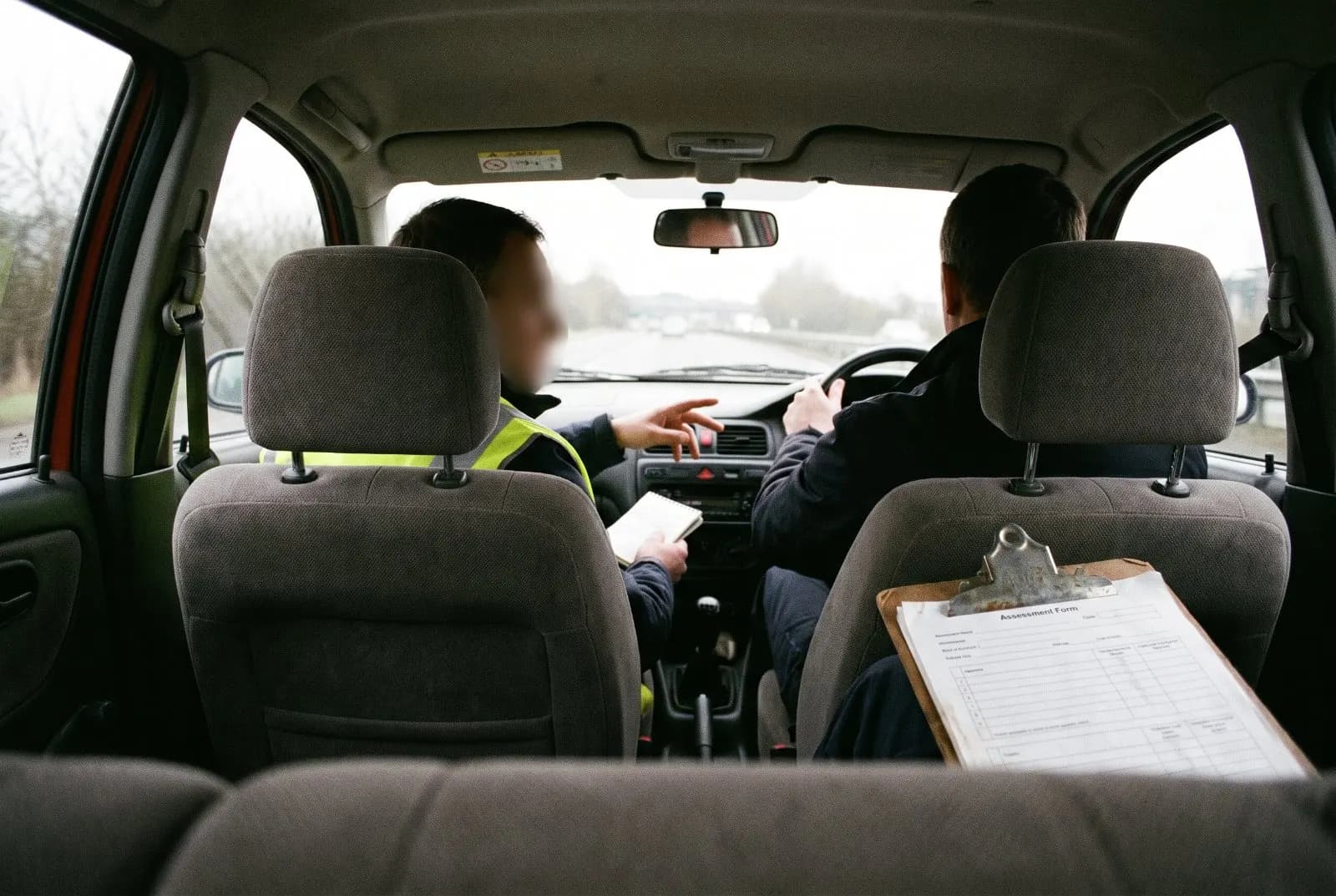
The adapting competency is assessed on your Part 3 and Standards Check, but it’s far from a tick-box exercise. It touches every other competency — it’s the live, responsive thread that runs through the entire session.

Adapting is a continuous conversation — not a single decision point in a lesson.
The Three Areas Where Adapting Happens
Most of those 150 adaptations are small, deliberate tweaks across three key areas:
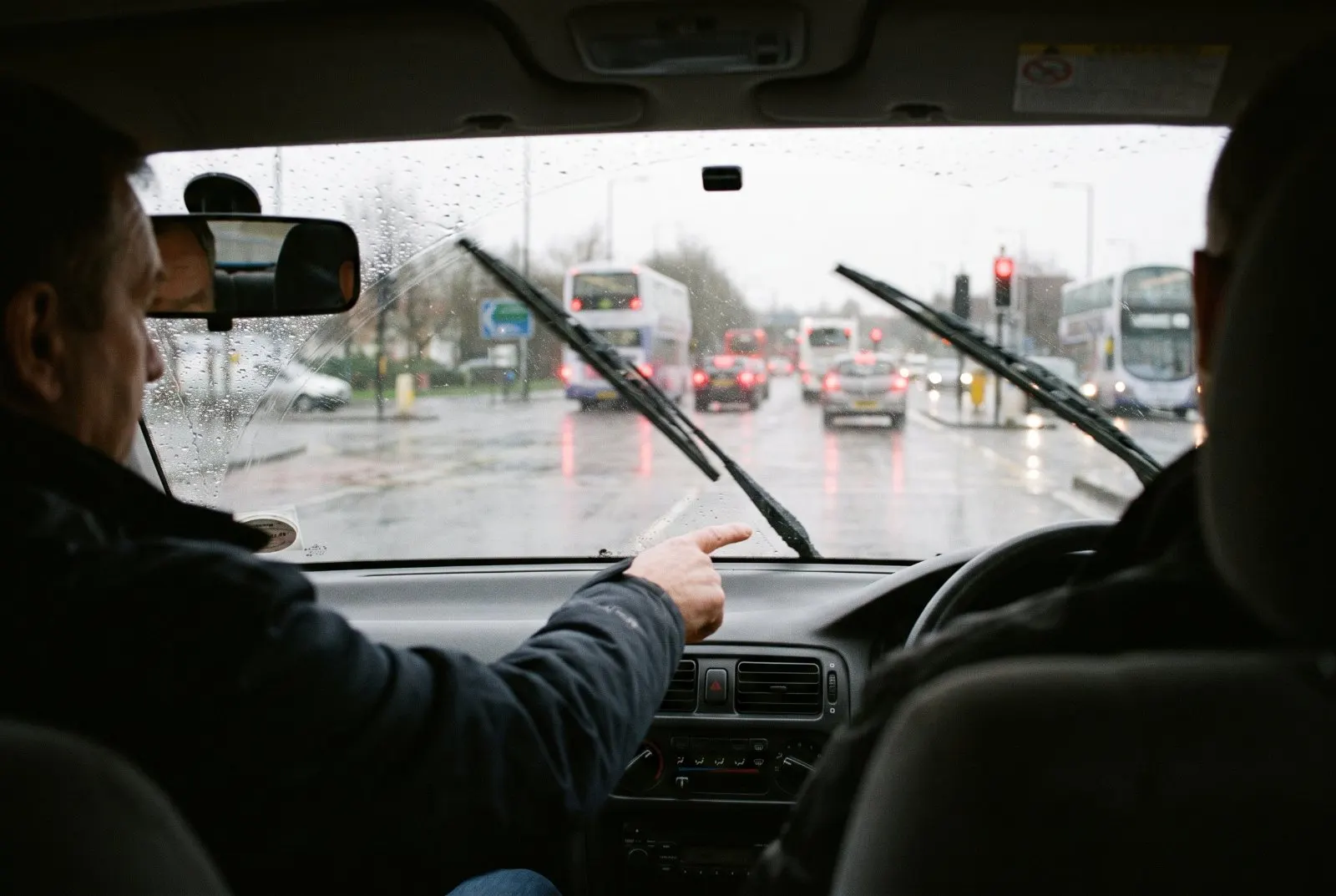
Adjusting the environment to match where the pupil is right now — more challenging or more manageable — and showing them the same skills apply across different settings.
Constantly fluctuating your degree of involvement — more guidance when needed, more independence when ready. Risk management always comes first.
Trying different strategies — visual aids, demonstrations, talk-throughs, questions — and recognising what works for one skill might not work for another.
The Golden Rule: Pre-Agree Your Adaptations
Here’s what catches a lot of instructors off guard: adaptations should almost always be pre-agreed with your pupil. You notice the pupil is ready for more challenge. You decide to try a different approach. But if you haven’t communicated that shift, you’ve changed the rules without telling anyone — and that creates confusion, anxiety, and avoidable mistakes.
“You wouldn’t take a pupil to a completely different area without any discussion on the who, what, where and why. Make sure those conversations are inclusive and conducive to a nice learning environment.”
Before reducing your support level or moving to a harder environment, say it out loud: “I think you’re ready for a bit less input from me — want to give that a go?” Five seconds of communication makes all the difference.
The One Exception: Risk Management Always Comes First
The pre-agreement principle has one non-negotiable exception. When safety is at stake, you act first and explain after. You’ve agreed to prompt rather than direct — but those prompts aren’t landing and a situation is developing. You step in. That’s not a failure to adapt; that’s adapting correctly. The follow-up conversation — identifying the need and adjusting the lesson — is where the real adaptation then takes place.

Risk management always takes priority — adapt the conversation after the moment has passed safely.
Adapting Is Not Just for When Things Go Wrong
If your pupil is sailing through the lesson, consistently nailing everything you ask, that’s a signal too. It might mean it’s time to reduce support, raise the challenge, or introduce a more complex environment. Staying at the same level when a pupil is clearly ready for more is its own kind of failure. Learning only happens in a zone of productive challenge — your job is to keep the lesson there, in both directions.
The Full Spectrum: From Tiny Tweaks to Hitting Abort
Most of your 150 daily adaptations sit at levels 1–2. Level 4 is available — but should be earned by genuine shown need.
A pupil forgets to check the mirror once, acknowledges it, and nails it next time? One targeted comment was the right adaptation. The same thing happens four times? Now you need to dig deeper — is it a knowledge gap, an unformed habit, or something emotional pulling their focus? That understanding shapes everything you do next.
The scale of your adaptation should match the scale of the need. Over-responding to a minor lapse is as problematic as under-responding to a persistent pattern.
Teaching Tools: Not One Size Fits All
The third area where adapting shows up — and one that’s easy to overlook — is in your teaching strategies. Pupils often label themselves practical or visual learners, but these are starting points, not fixed rules. What works for one skill might fall flat for another, even with the same learner.
Diagrams or reference points — useful when spatial understanding is the gap.
Narrating what you’re doing — helps pupils connect thought to action before trying themselves.
Drawing out the pupil’s thinking — builds lasting understanding rather than dependency.
Putting It All Together
Those 150 adaptations per lesson aren’t burdensome. Most are invisible — a question here, a route change there, a shift in how much you say. What makes them count is that they’re intentional, communicated, and driven by what the pupil actually needs right now. That’s what examiners are looking for. And it’s what separates instructors who deliver good lessons from those who truly help their learners grow.
If you want expert support developing this kind of responsiveness — alongside every other competency — explore our coaching at Inspire Instructor Training.
Develop Your Adapting Skills With Expert Support
From Part 3 preparation to Standards Check coaching, Inspire Instructor Training offers personalised support for ADIs and PDIs across the UK.
Visit Inspire Instructor Training →