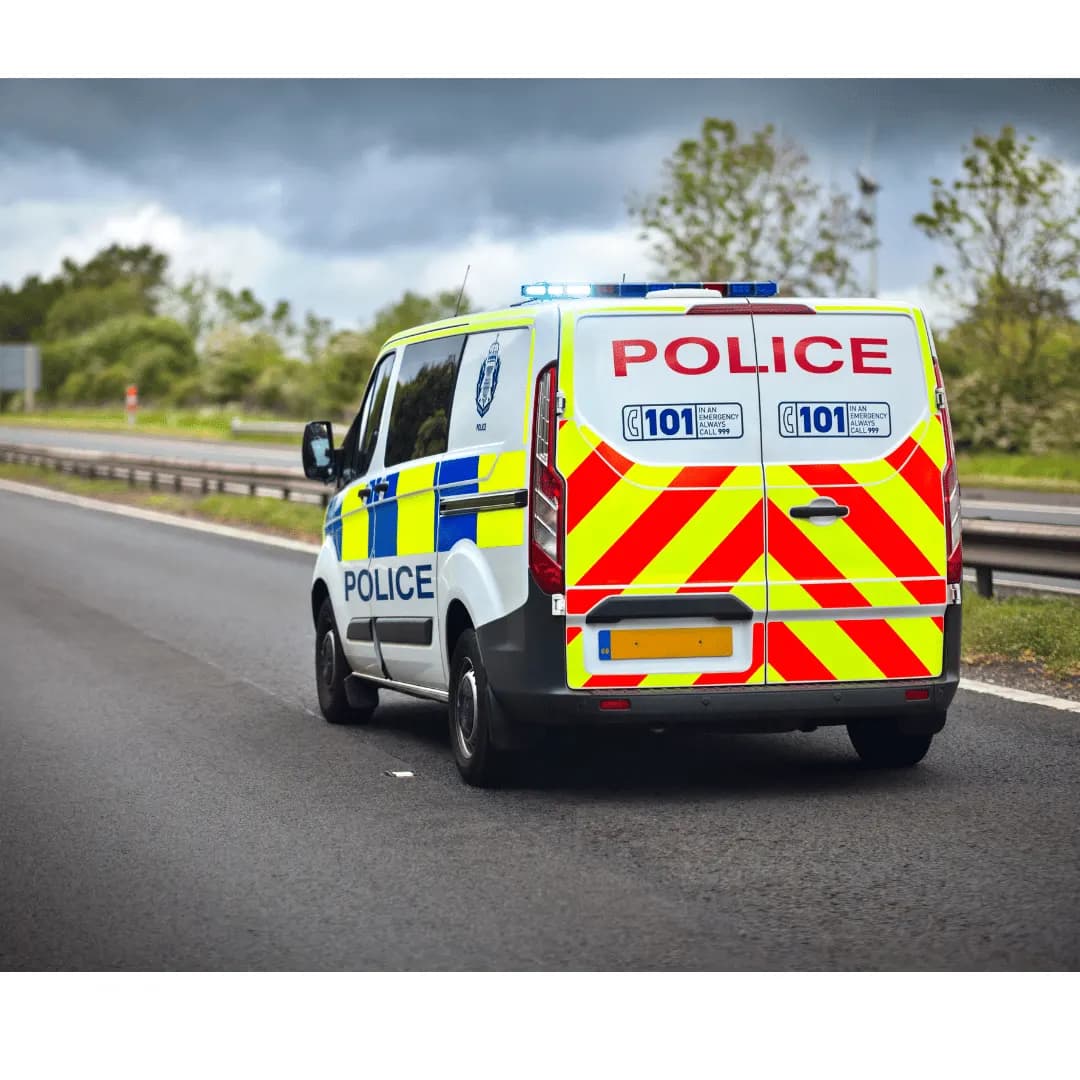
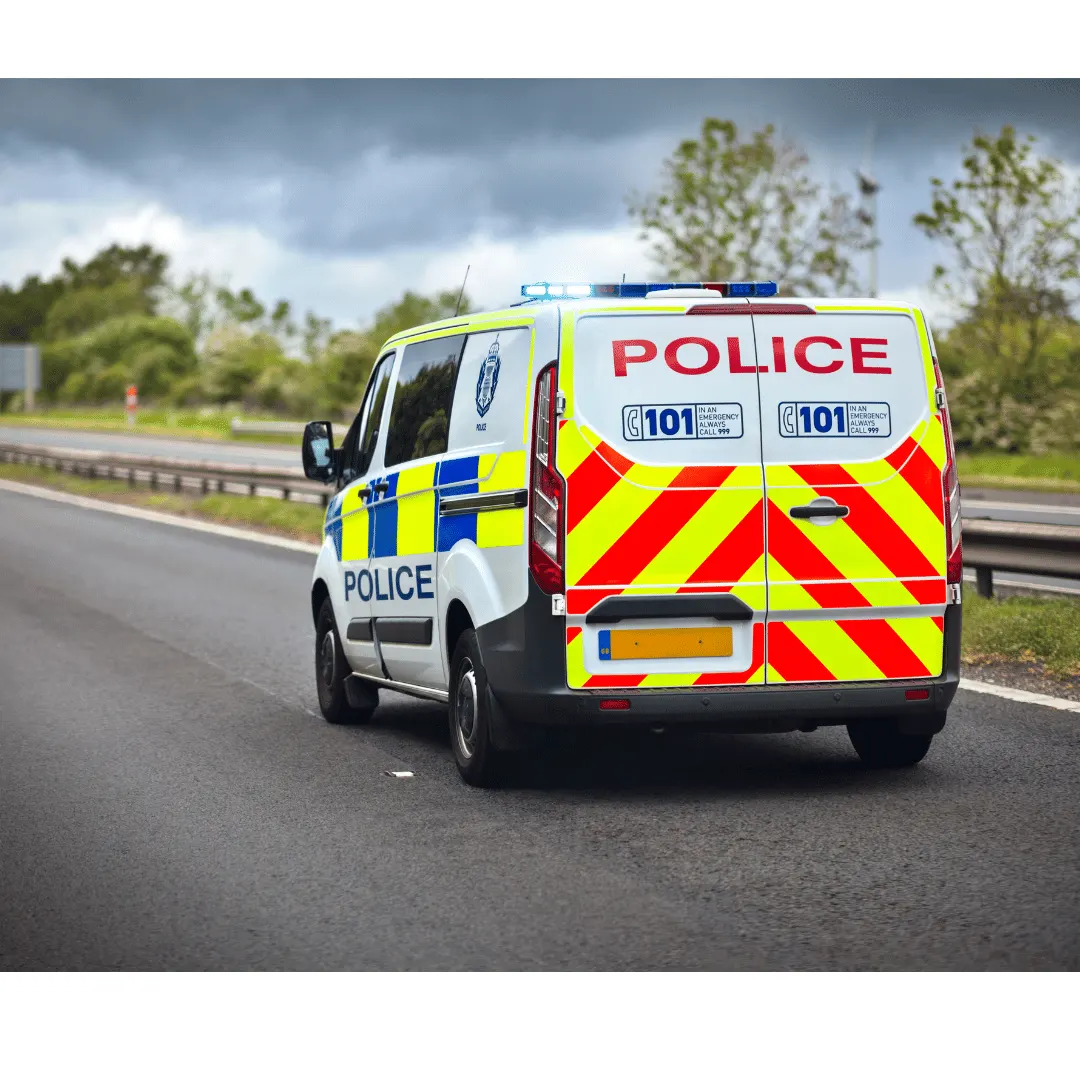
Driving instructors play a crucial role in shaping the next generation of skilled drivers. As the roads become increasingly dynamic, it’s essential for instructors to equip their pupils with knowledge beyond the basics. Recently, I had the privilege of speaking with a Blue Lights Driver Trainer, from Merseyside, which heads up the International Response units and the insights shared were invaluable for any driving instructor aiming to enhance their teaching skills.
Understanding the Basics
There are only 3 exemptions:
- Exceeding Speed Exemption:
- Blue lights drivers have the authority to exceed speed limits in certain situations. It’s crucial to teach pupils when and how to responsibly navigate these exemptions.
- Traffic Lights and Keep Left Bollards:
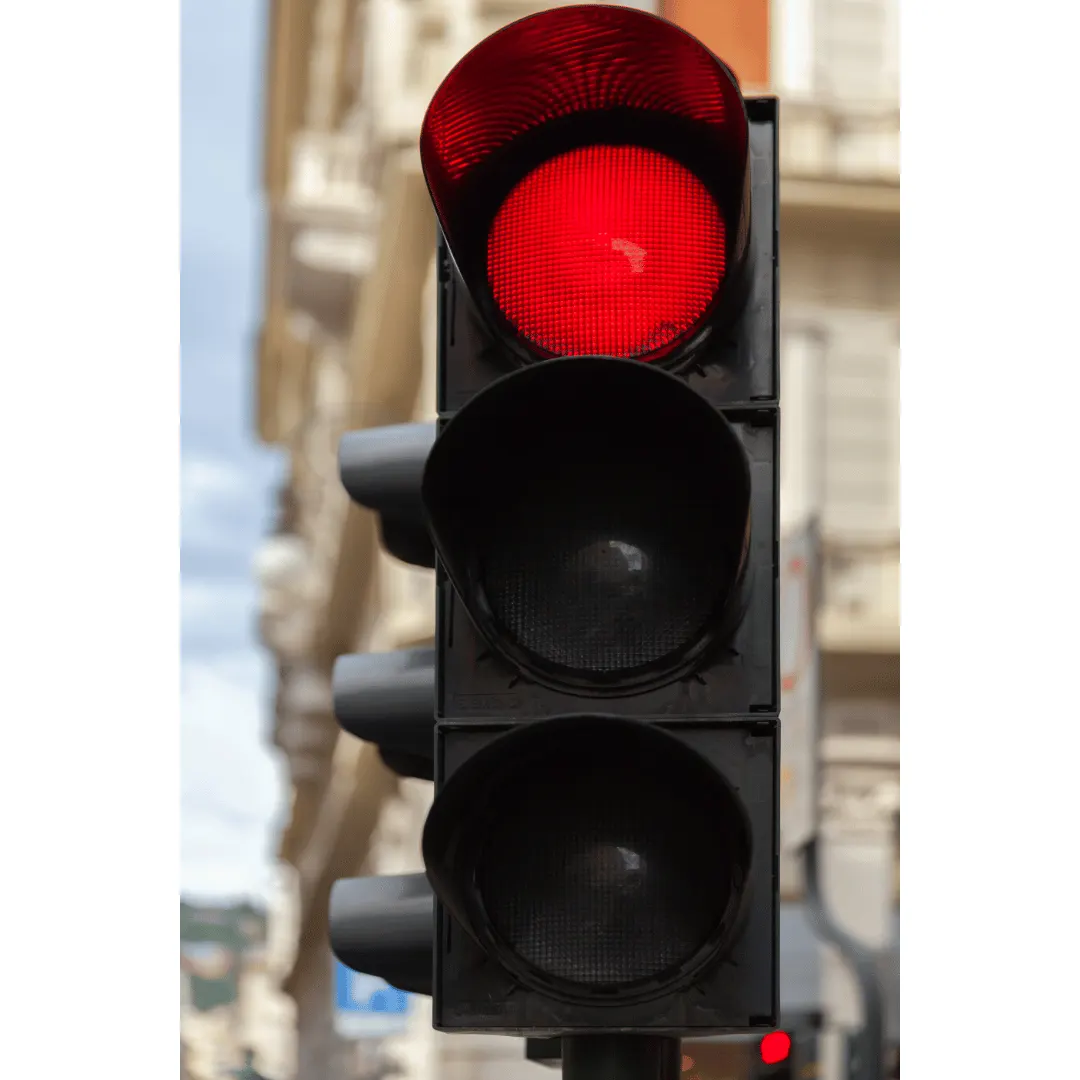
- In emergency situations, blue lights drivers may need to pass through red lights and go past keep-left bollards. Instructors should emphasize the importance of safety and adherence to road craft.
Tone Distinction
- Emergency vehicles use different tones for various categories and areas. Long tones push noise forward, perfect for long stretches of road, wide tones push sideways, which are ideal at junctions and white noise tones indicates complexity, especially at junctions, with multiple layers.
- If travelling in a convoy, the vehicles will use different tones, so that you as drivers can differentiate between them and you look out for the 2nd or 3rd vehicle.
Practical Tips for Instructors:
- Communication Tools:
- Hazard lights, left signals, and tapping on brakes serve as effective communication tools. Instructors can teach their pupils the significance of these gestures to help the drivers of the response vehicle to understand what their intentions are. This is a positive signal, however it is the driver of the response vehicles responsibility to navigate you.
- Instructor Training Programs:
- IAM, and ROSPA are valuable instructor training programs and can provide an insight into advanced driving, which can further enhance your pupils abilities.
- If you are interested in becoming a blue light driving Instructor, then you can do so if you have held an LGV licence for three years. This will allow you to teach ambulance and fire fighters, It is considered a positive if you hold an ADI qualification.
On The Road Insights:
- Tactical Approaches:
- Blue lights drivers employ tactical approaches such as capturing with various vehicles and using specific tones for different scenarios. Capturing involves the driver (of the response vehicle) recognising that on a country lane they will not be able to overtake safely, they will wait until they can “Capture” several vehicles in one overtake manouevre, usually on approach to a junction, where cars will be slowing down as a matter of course.
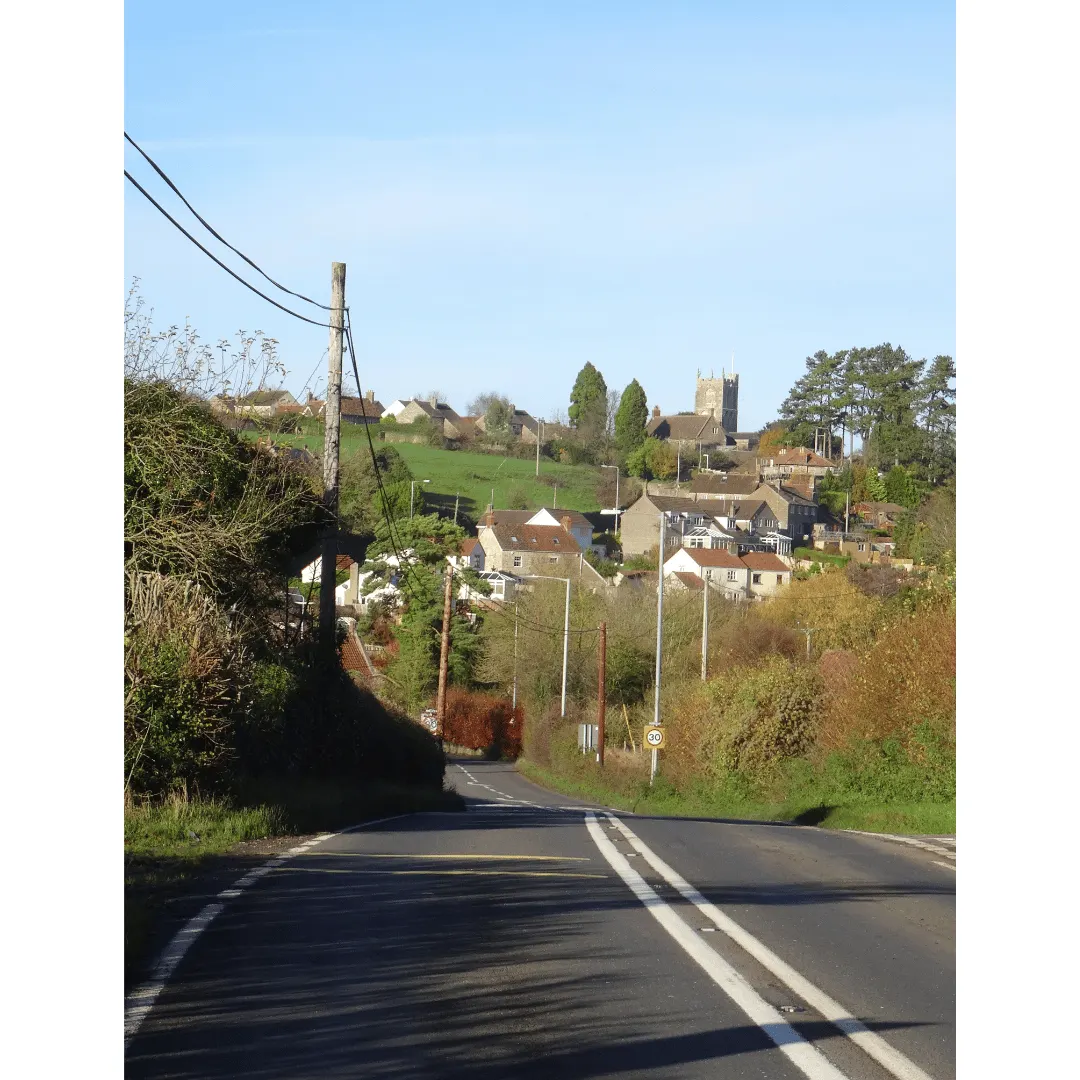
- Solid white lines are not appropriate for responders to cross, but if you stop opposite them, then they have no choice but to and you put them in danger. Most blue lights and tones will be turned off, so they can communicate to you that they want you to keep going. Negotiating single track and country roads poses unique challenges. Instructors should focus on teaching positioning for safety, stability, and optimal views and if there are solid white lines, then the best thing you can do is make progress. This will aid the blue light vehicle to make progress too and avoids putting them into further danger.
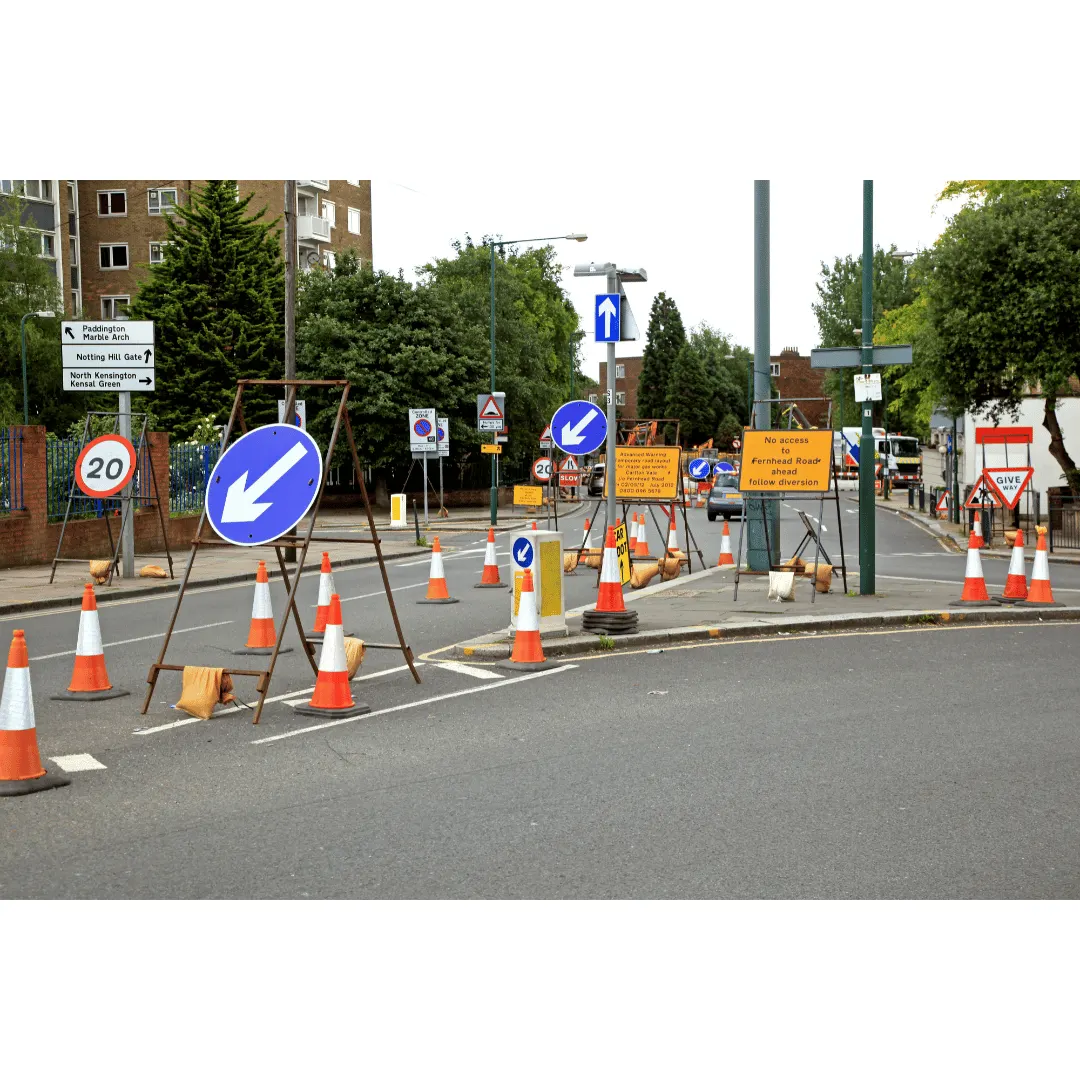
- Road works – if there is no where to go, they will turn their blues and tones off, so as not to intimidate other road users.
-
Negotiating Traffic, Looking for the Lane of least resistance:
- Drivers won’t negotiate a vehicle until they receive a positive reaction. Pupils should be taught the importance of planning and stopping when needed and not to become a rolling hazard.
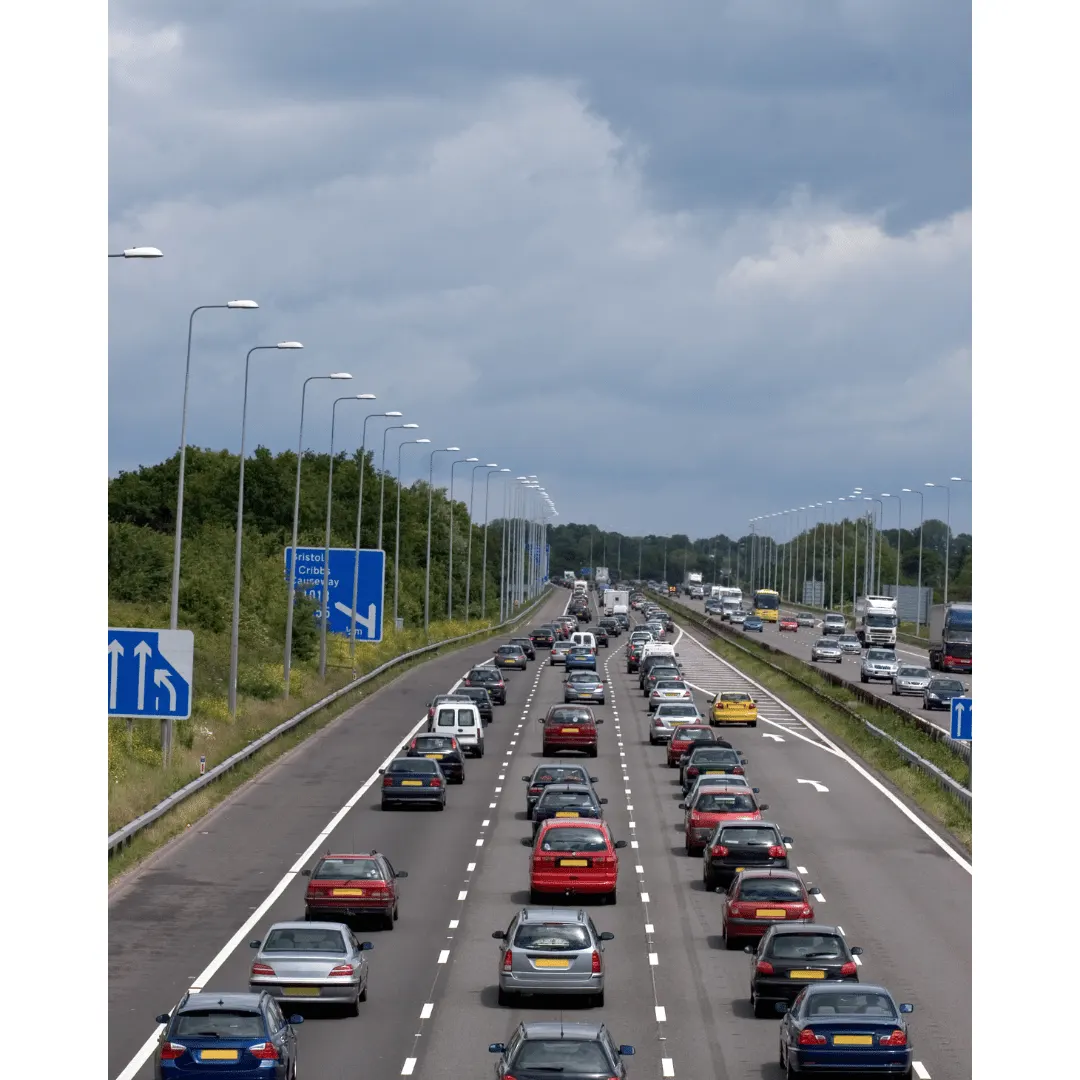
- On Motorways the Blue light vehicle will communicate with their position on what they want you to do. If they want you to move to the left, they will position to the right behind you, so they are showing their intention of an overtake or asking you to move to the left.
- They do not like to use the hard shoulder, largely because this has not been swept and has lots of debris and people break down, leaving them no where to go. They instead prefer to be in the far right overtaking lane or using the partition method between lane 2 & 3
- Fire engines and I believe other emergency service vehicles can use bus lanes as they have a local exemption for these, but in theory they don’t get used as drivers typically move to the left naturally.
- On roundabouts, you may consider going round the roundabout again, so that you don’t obstruct the exit that they might need.


Unique Situations
- Children
- Children get excited by lights and sirens so as drivers we need to anticipate that they may run towards the sirens and encourage our pupils to be scanning for additional hazards.
- Animal Encounters:
- Instructors should guide pupils on handling situations involving animals. Blue light responders will mostly turn off lights and tones around farm animals so as not to unsettle them.
- Extendable leads for dogs are particularly hazardous as they are prone to snapping. Again they may choose to put sirens off, so as not to spook animals.
Constant Vigilance:
- CCTV and Safety Measures:
- Emergency vehicles can have up to 8 CCTV cameras covering the entire vehicle and environment.
- When emergency vehicles go offside, they may still turn left from the right hand lane, this is one of the largest causes of incidents when lights change from red to green.
- Blue Light Aware
- https://www.bluelightaware.org.uk/ site offers an excellent resource to share with your pupils and their families to help understand how to cope when faced with blue lights and provides useful tips for instructors to teach.
Conclusion:
Preparing future drivers to share the road responsibly with emergency vehicles is a critical aspect of driver education. By incorporating these insights into teaching methods, driving instructors can ensure their pupils are well-equipped to navigate the complexities of emergency situations on the road. Let us know how you get on.