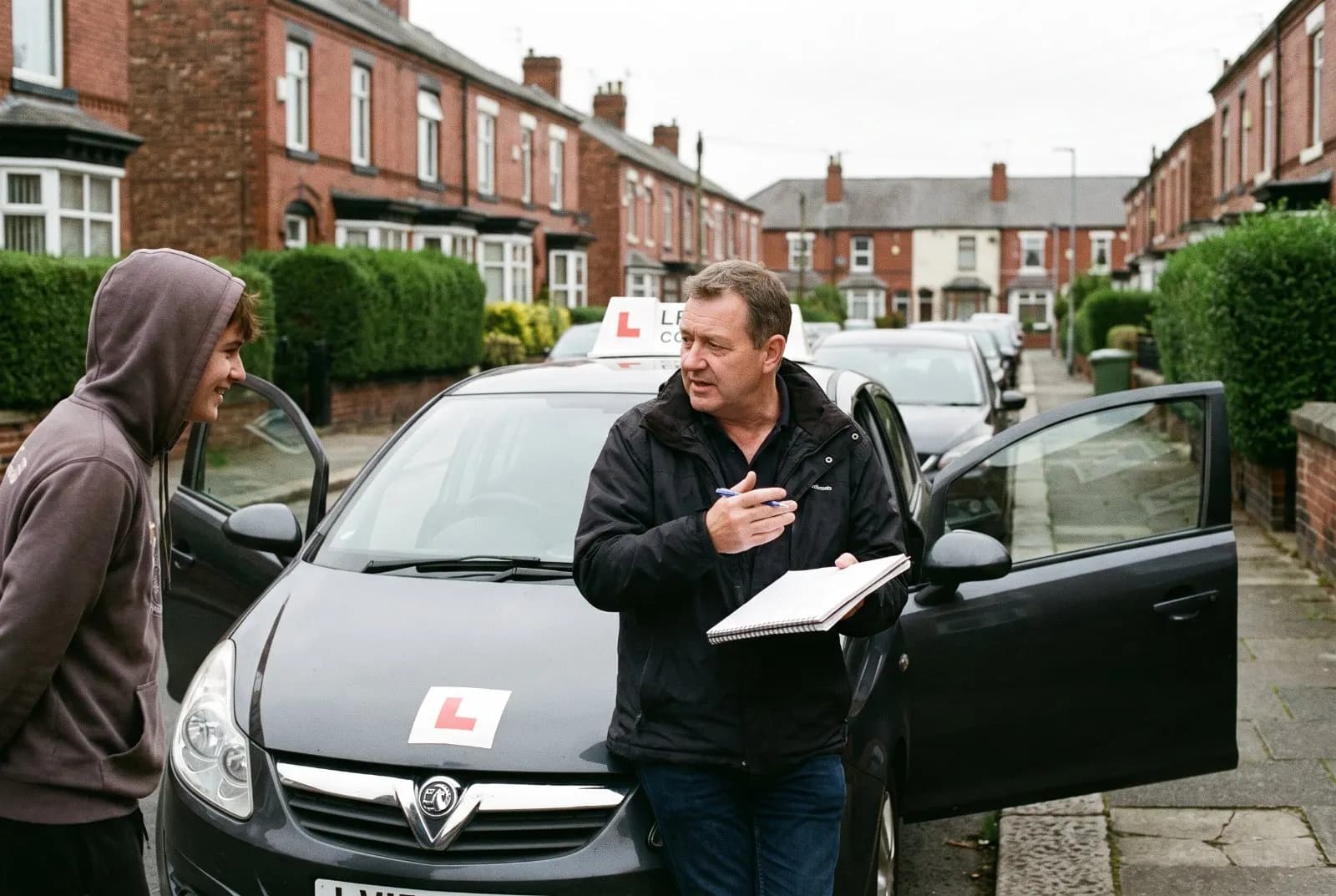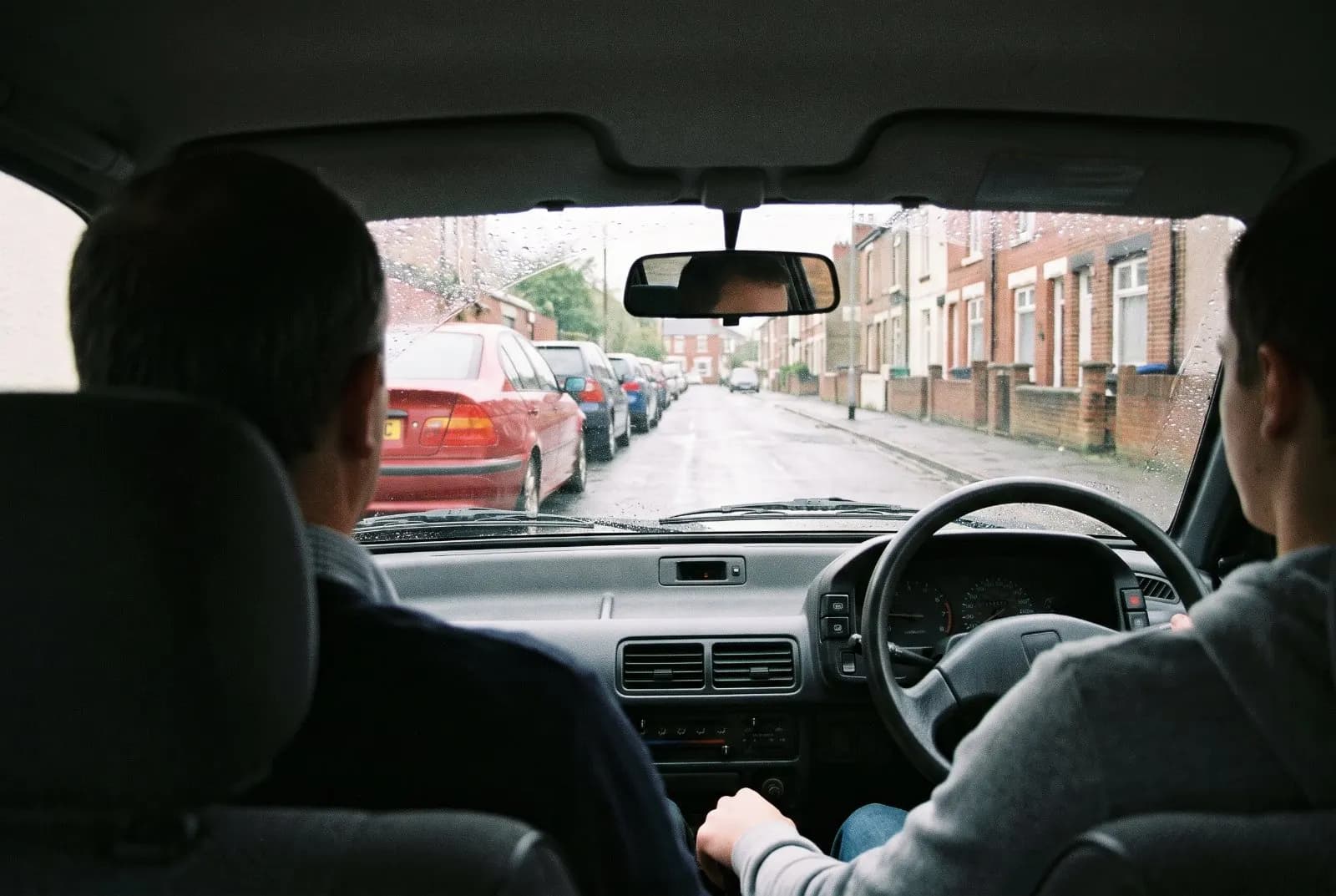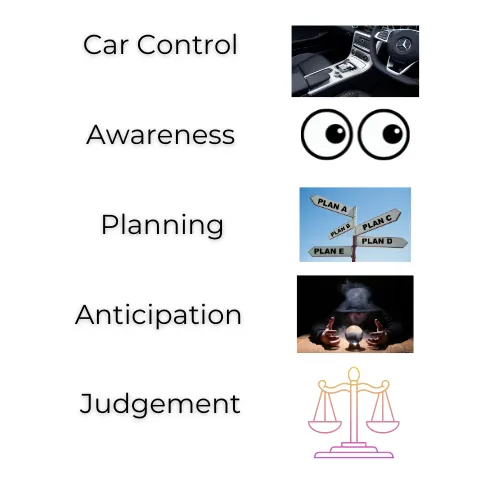
Lets explore the essential skills that lay the foundation for confident, safe, and skilled driving. At Inspire Instructor Training, we believe in equipping drivers with practical skills that go beyond the basics. Our “5 Skills Course” is designed to hone these crucial abilities, ensuring that learners become adept, responsible, and safety-conscious drivers.
We suggest a shift from just covering topics to developing essential skills for confident and safe driving. By adopting a skill-focused approach, instructors can enhance their teaching methods and empower learners to become skilled, confident, and safety-conscious drivers.
Car Control
Car control is more than just steering and accelerating—it’s about developing a profound understanding of your vehicle’s dynamics. In this skill, It’s crucial that the pupil and instructor understands the feel of handling a car with finesse. That ability to become one with the car and channel your inner yoda in terms of how the car is communicating to you, will help these lessons transform. From precise steering to smooth acceleration and braking, mastering car control ensures that drivers can navigate the road with confidence and precision.
Enhanced Awareness
Becoming a truly skilled driver involves more than just steering and operating the pedals—it requires a heightened level of awareness that goes beyond the immediate surroundings. In this skill, we delve into the intricacies of enhanced awareness, providing both instructors and learners with practical insights to elevate the learning opportunities on the road.

Understanding the Bigger Picture:
To encourage drivers to comprehend the broader environment, questions like the following can be beneficial:
- Question: “As you approach a junction, what factors should you consider?”
- Question: “Before changing lanes, what steps should you take to ensure there are no vehicles in your blind spots?”
Staying Alert to Surroundings:
To foster an acute awareness of immediate surroundings, instructors might pose questions like:
- Question: “When checking mirrors what information are you specifically looking for?”
- Question: “What clues can help us to anticipate potential hazards in the upcoming stretch of road?”
Controlling Questions:
These questions, asked early enough to allow thoughtful responses, serve as control mechanisms and help students stay engaged. For example:
- Question: “Before we proceed, what mirrors will you check to ensure it’s safe to go around this parked car?”
- Question: “As we approach the roundabout, what factors will you consider before deciding which lane to choose?”
Specific Questions:
Targeted questions can be instrumental in guiding learners through particular scenarios, such as:
- Question: “While navigating through heavy traffic, what steps will you take to ensure you’re aware of the vehicles around you?”
- Question: “Before entering a roundabout, what visual cues will help you anticipate the movements of other drivers?”
A Holistic Approach to Teaching Awareness
By integrating these types of questions into instruction, both instructors and learners can contribute to the development of a well-rounded and safety-conscious driving experience. Enhanced awareness is not just about seeing; it’s about interpreting, anticipating, and responding thoughtfully to the dynamic road environment. As you explore this aspect of our “5 Skills Course,” you’ll gain valuable insights that go beyond the basics, fostering a deeper level of learning on the road.
Anticipation Strategies: Drive Proactively
Anticipation is the linchpin of proactive and confident driving—a skill that sets seasoned drivers apart. In this segment, we unravel the nuances of anticipation, empowering both instructors and learners with strategies to navigate potential hazards proactively predicting other drivers’ actions.

Observation Questions:
Encourage learners to observe and predict the actions of fellow road users with questions like:
- Question: “looking behind you, what do you think that driver might do next?”
- Question: “While on the motorway, how can you predict a lane change from the vehicles around you?”
Understanding Traffic Patterns:
Anticipation involves understanding broader traffic patterns. Instructors can pose questions such as:
- Question: “What cues can you use to predict changes in traffic flow, and how might these impact your driving decisions?”
- Question: “What are the chances of these lights changing”
- Question: “When approaching a merging lane, how likely is it someone will come up fast on the right?”
Foresight in Response to Road Conditions
Weather-Related Questions:
Explore anticipation in the context of changing weather conditions:
- Question: “If rain begins, how will this weather affect the way people cross the road?”
- Question: “How might icy conditions impact the behaviour of other drivers?”
- Question: on sunny days “How likely is it that people will be out walking or on their bikes today?”
Integrating Proactive Anticipation Techniques
Scanning for Potential Hazards:
Highlight the importance of scanning for potential hazards with questions like:
- Question: “As you drive in heavy traffic, what techniques can you use to scan for potential hazards both ahead and to the sides?”
- Question: “When approaching a junction, what signs can you look for to anticipate the actions of pedestrians and cyclists?”
By weaving these types of anticipation-focused questions into your instruction, both instructors and learners can foster a proactive mindset that extends beyond reacting to situations. Anticipation is the cornerstone of confident driving.

Strategic Planning: Plan for Successful Driving
Unlock your ability to support you learners strategic planning, teaching learners to go beyond immediate decisions. Here you will gain insights into guiding students in effective planning for a confident drive in various situations.
We carefully structure lessons, adapting dynamically to learners’ needs. For learners, planning means mastering control, awareness, and hazard anticipation. Timing of planning is fundamentally linked to your pupils ability to process their thoughts.
Planning put simply, is based on what you’re aware of and what you think might happen, “what are you going to do about it?”
- Question: “What’s your plan?”
- Question: “What can we do to make progress here?”
High Stakes plans:
Consider your driving on a dual carriageway or motorway or busy meeting traffic situation. it’s important to have the pupils, plan effectively before it’s needed, consider using short concise questions to invoke and engage their thought processes.
- Question: “Where is our escape plan”
- Question: “Where will we go if a car comes up fast on that slip road”
- Question: “What will you do if a bus turns in here”
- Question: “What will you do if the car in the right lane takes the exit ahead on the left”
Control before Educate:
With everything driving related, our priority is to keep you, others and the car safe. if you don’t have time to ask a question, control the situation, either verbally or physically and then explore the learning opportunities, whether that be at the side of the road or on the move as long as its suited to the pupils current ability and the environment supports it.
Route planning:
is an excellent way to get your pupils involved in planning and considerations when embarking on a long journey, explore factors that may affect their plan and have them come up with solutions based on the likelihood of factors affecting them.
- Question: “What impact will rush hour have on our journey today and what will we do to ensure we get to where we need to go in good time?”
- Question: “If you were travelling somewhere new, what could you do to ensure you got there safely and took the most direct route?”
These types of questions empowers our learners to take responsibility for their own decisions early on. In a safe and controlled environment, these learning opportunities nurture the learning process and ensures they have the ability to explore options in the crucial moments beyond their lessons, when they no longer have you by their side.
Sound Judgement: Making Smart Decisions on the Road
Dive into the development of sound judgment—an essential skill for safe driving. Instructors learn how to nurture critical decision-making skills, helping learners assess situations, evaluate risks, and make smart choices on the road
Sample questions to cultivate sound judgment may include:
- Question: “As you approach an unfamiliar intersection, how will you decide when it’s safe to proceed?”
- Question: “When merging onto a busy dual carriageway, what factors will influence your decision to adjust speed?”
- Question: “Have you got a way of working it out?”
- Question: “How are you judging that?”

Offering practical scenarios and questions that empower learners to navigate the road with confidence and responsibility will allow them to explore the art of decision-making and judgment on the journey to becoming a skilled and responsible driver.
Reactive affirmations:
We have talked a lot about pro-active support during this blog, however re-active evaluation can be equally powerful. When your learner has made a good decision on an emerge or a hold back during a meeting traffic situation, it can be beneficial to explore how they came to that decision, so that they can recognise what good looks like and apply that to different scenarios.
- Question: “Tell me why that was a good decision?”
- Question: “What factors did you take into account when you chose to hold back?”
If you would like to learn more on this subject, check out our 5 Skills Course here